
Case for Support
All of us deserve a fair chance to build financial security, no matter where we were born
That includes the 50.2 million immigrants living in the U.S. About half of them aren’t citizens yet,1 and at low and middle incomes they’re the least likely to have a 401(k) or similar retirement account.2
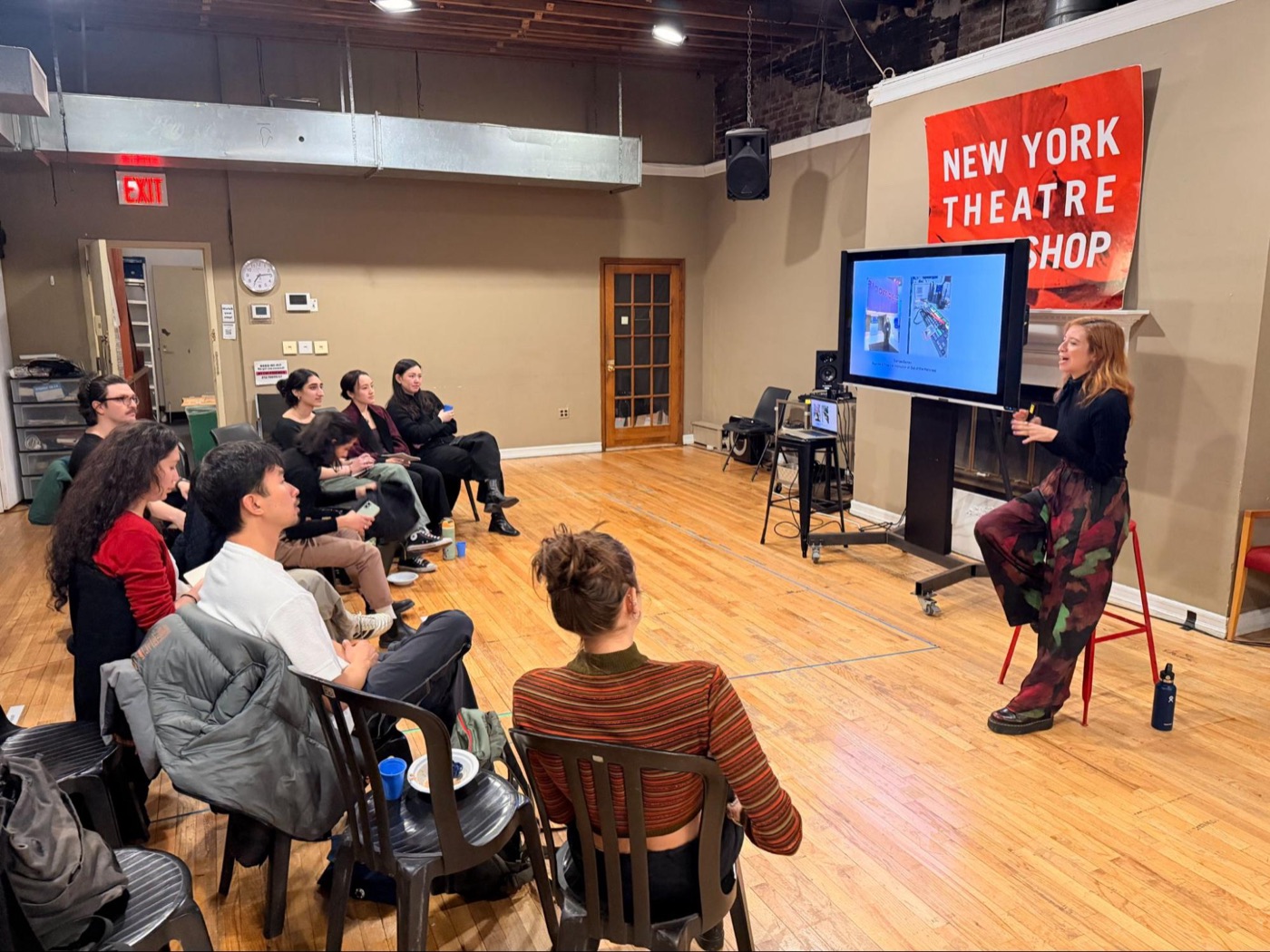
Most immigrants arrive with no generational wealth, no credit, and no one to explain how money works in this country. So they learn by trial and error, often too late: after years of unclaimed 401(k) match, after a landlord asks for a credit score they don’t have, after savings sit in cash earning nothing. Or they depend on whoever fills the gap, and not everyone who does has their interests at heart, like payday lenders or salespeople paid on commission.
Out of the Mattress exists so immigrants don’t have to learn how money works in the U.S. the hard way.
We teach them the rules up front, so they can make decisions about their money with confidence. Our graduates regularly fund idle IRAs and 401(k)s, raise their credit scores, and move cash into high-yield savings.
The need
Noncitizens are the least likely to save for retirement, and the least likely to retire after 65.
While working: have a 401(k) or similar account
34% Noncitizens
45% Naturalized citizens
56% Born in the U.S.
After 65: retired in 2023
5.8% Noncitizens
11.6% Naturalized citizens
16.1% Born in the U.S.
Graduates name 4 barriers that kept them locked out of the U.S. financial system:
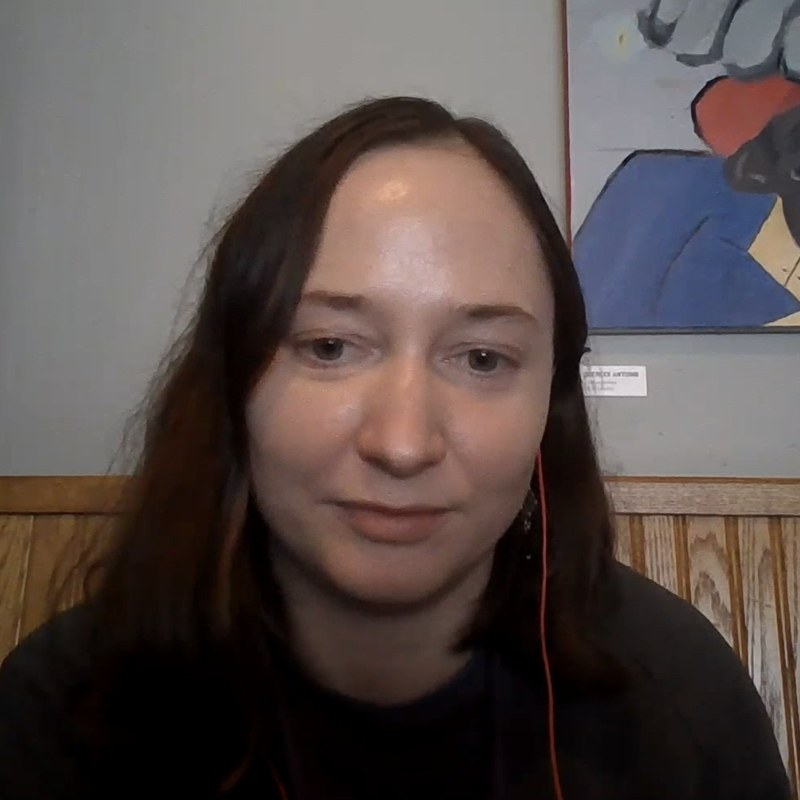
Not knowing who to trust
Tatiana, 31, moved from Russia to Boston. She did plenty of research before finding us, but none of it gave her confidence that she could trust the answers. Read more ▼Read less ▲
Not knowing who to trust
Tatiana, 31, moved from Russia to Boston. She did plenty of research before finding us, but none of it gave her confidence that she could trust the answers. Read more ▼Read less ▲
Before
“There are a lot of resources available, but it’s hard to know which ones you can trust, because a lot of people would love to make money off of you, especially if you’re an immigrant and don’t know how things work.”
After
Tatiana had been bracing for bad news. “Before the program, I was very anxious that I wasn’t doing enough or saving enough. When we looked at the numbers and the things I was doing, it didn’t seem like I was super off.” She also came away knowing where to turn: “It was useful to know I can trust the sources I’m given, and that they could help guide how I manage my finances.”
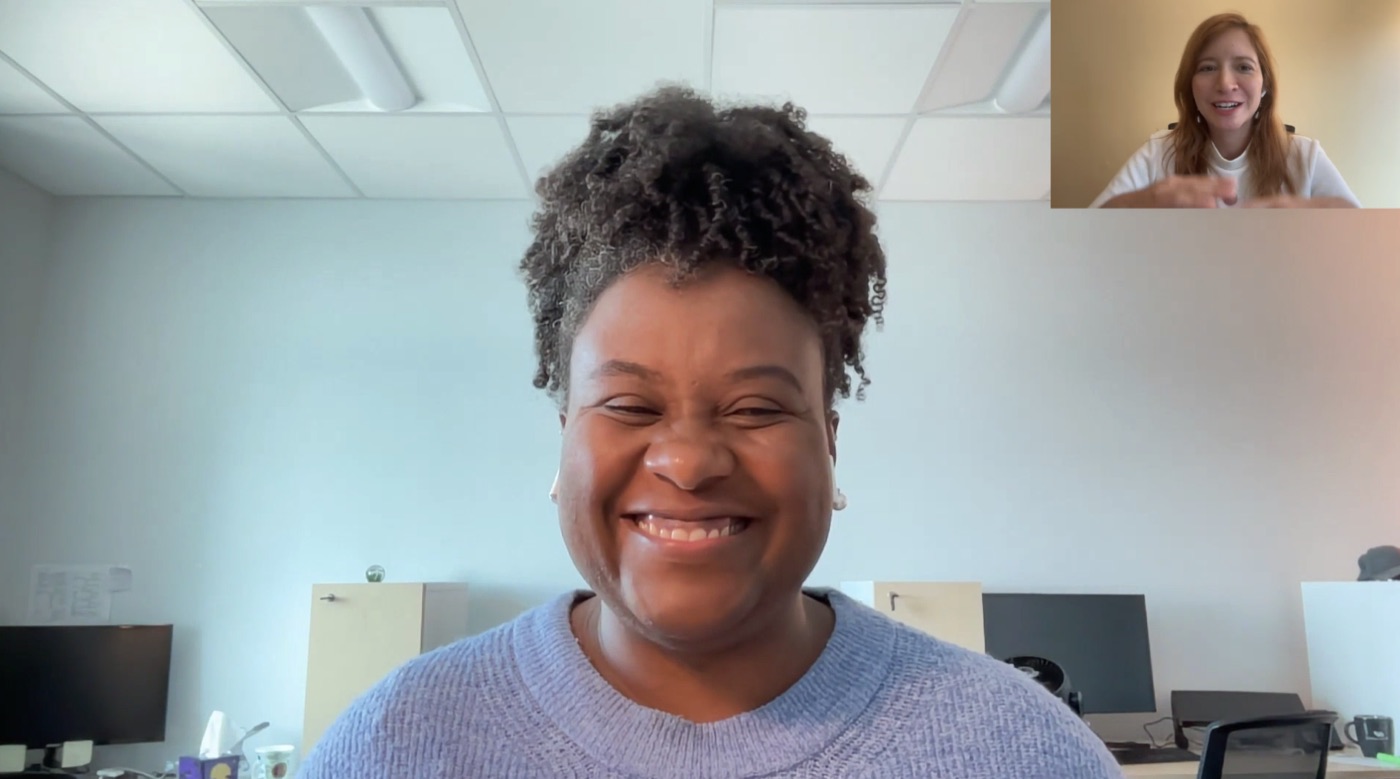
Not speaking the language
Tálita, 38, came from Brazil to Buffalo, New York. She knew her options back home, but here she had to learn a new financial system in a new language. Read more ▼Read less ▲
Not speaking the language
Tálita, 38, came from Brazil to Buffalo, New York. She knew her options back home, but here she had to learn a new financial system in a new language. Read more ▼Read less ▲
Before
“This was a barrier I had to overcome twice, not only understanding the economic system, but also the language.”
After
Tálita opened a Roth IRA, a brokerage account and a high-yield savings account, and she paid cash for her first car. “Before, my money was under the mattress, and now my money is invested.”

Feeling like investing isn’t for them
Ana Carolina, 26, came from Brazil to New Orleans. She had heard of investing, but she always assumed it was meant for other people. Read more ▼Read less ▲
Feeling like investing isn’t for them
Ana Carolina, 26, came from Brazil to New Orleans. She had heard of investing, but she always assumed it was meant for other people. Read more ▼Read less ▲
Before
“That’s what scares a lot of people: this is so complicated, this is not for me. But without help we just don’t know, so we assume it’s complicated and we don’t touch it.”
After
Ana Carolina has two high-yield savings accounts, one of them for emergencies, and a separate account for investing. “I had no idea it was possible for a person like me to have an account just for investments.”
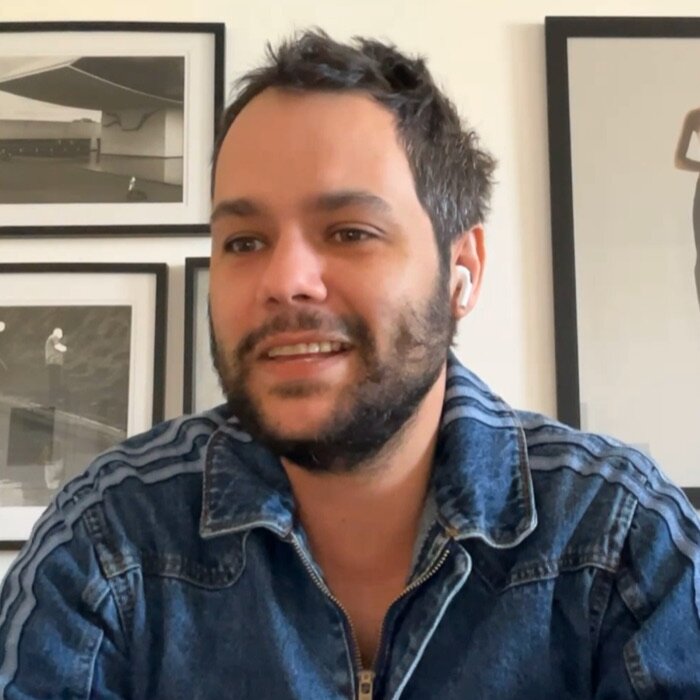
Struggling to imagine the future
Ton, 39, came from Brazil to New York six years ago. He grew up in a poor family, and for years he worked just to pay the bills, with no plan for retirement. Read more ▼Read less ▲
Struggling to imagine the future
Ton, 39, came from Brazil to New York six years ago. He grew up in a poor family, and for years he worked just to pay the bills, with no plan for retirement. Read more ▼Read less ▲
Before
“I was that person who was always working to pay the bills, just surviving and looking to my next day.”
After
Ton opened a Roth IRA and a high-yield savings account, and now invests automatically every month. “I’m an LGBTQ person, and having the possibility of looking to my future is very meaningful.”
Our programs and results
Every program we run is designed to help someone take their next financial step. That step depends as much on how they feel about money as on what they know. A free video can be the way in, while a live educator helps them build the confidence to act, and a community keeps them on track.
Our founder, Larissa Gomes, knows what a missed step costs. After immigrating to New York in 2012, she didn’t know how money worked here and passed on her first 401(k) match. It wasn’t until Bloomberg gave her a free financial coach that she realized she had lost five years of compounding. In 2024, she became a Certified Financial Education Instructor through the National Financial Educators Council, and in 2025 she founded Out of the Mattress.
Larissa found the right guidance by chance. Now, our five programs are designed to ensure other immigrants don’t have to rely on luck. All of them are free for everyone who takes part.
76
immigrants finished the program one-on-one with Larissa in 2025
85%
of those surveyed left with a high-yield or investment account, up from 45%
Workshops taught with

The cohort
Three group sessions build toward investing for retirement: a budget, then accounts and taxes, then how investing works. The fourth is a private session, where each participant takes the step that fits them.
2025: One-on-one with Larissa
The cohort grew out of the same four sessions, which Larissa taught one-on-one in 2025. These results come from the 55 graduates who answered surveys both before and after.
| Share of participants | Before | After |
|---|---|---|
|
Have money earning a return High-yield savings, brokerage or other investment account |
45% | 85% |
|
Actively managing expenses Said yes to using a budget to monitor their expenses |
33% | 85% |
|
Feel confident managing their money Rated their confidence 4 or 5 out of 5 |
27% | 96% |
|
Feel little stress about money Rated their stress 1 or 2 out of 5 |
20% | 62% |
Spring 2026: The first group cohort
From May to June 2026, we taught the program to a group for the first time: seven people over four weeks. Five had never taken a finance class.
86%
opened an account, raised contributions, or invested
43%
set up automatic transfers to savings or investments
| Share of participants | Before | After |
|---|---|---|
|
Stay within their budget Answered “often” or “always” for the past six months |
14% | 43% |
|
Correct answers on the “Big Three” Standard questions on interest, inflation and risk |
67% | 90% |
|
Not often stressed about money Answered “never,” “rarely” or “sometimes” for the past month |
14% | 57% |
|
Not stuck on their financial goals Did not say “exactly true” to “It is challenging to make progress toward my financial goals” |
29% | 100% |
We now measure every cohort with peer-reviewed scales for financial confidence3 and money habits,4 and the same knowledge questions the Federal Reserve and FINRA use.5
Graduate Q&As
A monthly Q&A for every graduate, for a year. Nobody takes every step at once, so when they’re ready for the next, we’re still here.
Workshops
Ninety minutes, run with organizations that serve immigrants and want to offer them an introduction to the U.S. financial system. Community groups book it for their members, employers for their workers.
Kilomba, Imigra Foundation, On.Together, Immigrant Theatermakers Advocates and Jack Arts have brought our workshop to the people they serve. Larissa spoke at the launch of the Entre Fronteiras campaign for immigrant women, alongside officials from the Brazilian consulate.
Expert sessions
A livestream with a specialist on one money-related topic the curriculum doesn’t cover, followed by audience Q&A.
Our first ran on YouTube. Dr. Lauana Herbert, a physician and an immigrant herself, explained what an emergency room costs and how to avoid unnecessary medical bills.
Videos and written explainers
The questions that come up most get answered on YouTube, on Instagram, and in our newsletter.
What your gift funds
To build Out of the Mattress into an organization that lasts, so more immigrants can make decisions about their money with confidence, we need to raise $128,000 for FY2027.
In our first year, 63 people gave to Out of the Mattress.
Next year, with your support, we will:
- Run at least ten cohorts a year, on a schedule people can plan around
- Host more Expert Sessions that help people avoid costly mistakes
- Bring free workshops to more immigrant communities
- Grow our video library, so answers are there when people need them
- Fund the full-time leadership that keeps it all running
Other ways to give: bank transfer, donor-advised fund, stock, crypto, or an IRA qualified charitable distribution. Many employers will match what you give.
Out of the Mattress is fiscally sponsored by Build Up, Inc., a 501(c)(3), which vetted us for six months before taking us on in April 2025. Gifts are tax-deductible to the extent allowed by law.
Help us reach more supporters
Your gift goes further by helping us find more people who support our mission.
Introduce us to organizations that employ immigrants
We offer a paid financial education workshop for employees, including how to fund a 401(k) and plan for retirement.
Recommend us to your giving circle
If you give alongside other people, whether that’s a formal circle or a few friends who pool what they give, invite us to share our mission at your next meeting.
Host an open house
Introduce us to your community at a gathering you host. You choose who to invite, and we’ll help with the logistics. No experience needed: supporters have already hosted gatherings for us in Philadelphia, Brooklyn and Manhattan.
Spread the word
If someone came to mind while you were reading, share this page and tell them why our mission matters to you.
Thank you
Tálita, the graduate who came from Brazil to Buffalo, told me this after her last session: “I broke some chains I had in my mind and in my behavior. It gives you confidence, because it’s power. When you know how money works, you don’t accept being treated certain ways. Now I can respect myself more.”
I hear some version of it from almost every immigrant who finishes the program. Thank you for helping us reach the next one. With gratitude,

Larissa Gomes
Founder, Out of the Mattress
Notes
- U.S. Census Bureau, American Community Survey 1-year estimates, 2024, Table B05001, Nativity and Citizenship Status in the United States. The Census Bureau summarizes the total in “Foreign-Born Population in the United States Changed Significantly in Both Numbers and Countries of Origin” (2026). ↩
- Erick Garcia Luna, “The Retirement Savings of Immigrants in America”, Federal Reserve Bank of Minneapolis (2025), Figure 1, using Census Bureau Current Population Survey data. ↩
- Jean M. Lown, “Development and Validation of a Financial Self-Efficacy Scale”, Journal of Financial Counseling and Planning (2011). ↩
- Jeffrey P. Dew and Jing Jian Xiao, “The Financial Management Behavior Scale: Development and Validation”, Journal of Financial Counseling and Planning (2011). ↩
- Global Financial Literacy Excellence Center, “Questions That Indicate Financial Literacy”. ↩